MODULE 4 WATER CONSERVATION
INTRODUCTION
Water is one of the most essential resources for life on Earth, supporting all forms of life, ecosystems, and human activities. However, with increasing population, urbanization, and climate change, the demand for water is rapidly growing, putting immense pressure on global water supplies. Water conservation refers to the practice of using water efficiently and responsibly to ensure that it is available for future generations.
Conserving water is crucial for sustainable development and for maintaining a balance between human needs and environmental health. It involves various methods, such as reducing water wastage, reusing water, improving irrigation systems, and promoting responsible consumption. By adopting water conservation practices, we can preserve this precious resource, protect biodiversity, and mitigate the effects of water scarcity, ensuring its availability for all life on Earth.
NEED FOR WATER CONSERVATION
Water conservation is essential due to the growing challenges related to water scarcity, environmental degradation, and increasing demand. Here are key reasons why water conservation is crucial:
Limited Freshwater Supply: Only about 1% of the world's water is available as freshwater for human use. With rising populations and urbanization, the demand for water is rapidly increasing, while the supply remains limited.
Climate Change: Climate change leads to erratic weather patterns, including prolonged droughts, floods, and reduced rainfall in some areas. These changes disrupt water availability, making it more difficult to manage water resources effectively.
Agriculture and Industry: Agriculture, which accounts for the majority of global water usage, often uses water inefficiently. Industries also consume large amounts of water, leading to depletion of local water sources.
Environmental Impact: Excessive water use can harm ecosystems, reduce biodiversity, and damage natural water cycles. Conservation helps protect aquatic habitats, wildlife, and ecosystems.
Future Generations: Without proper water management, future generations may face severe water shortages, which could impact food security, health, and quality of life.
By conserving water, we help ensure its availability for essential needs such as drinking, sanitation, agriculture, and industry, while also promoting environmental sustainability.
Rainwater Harvesting
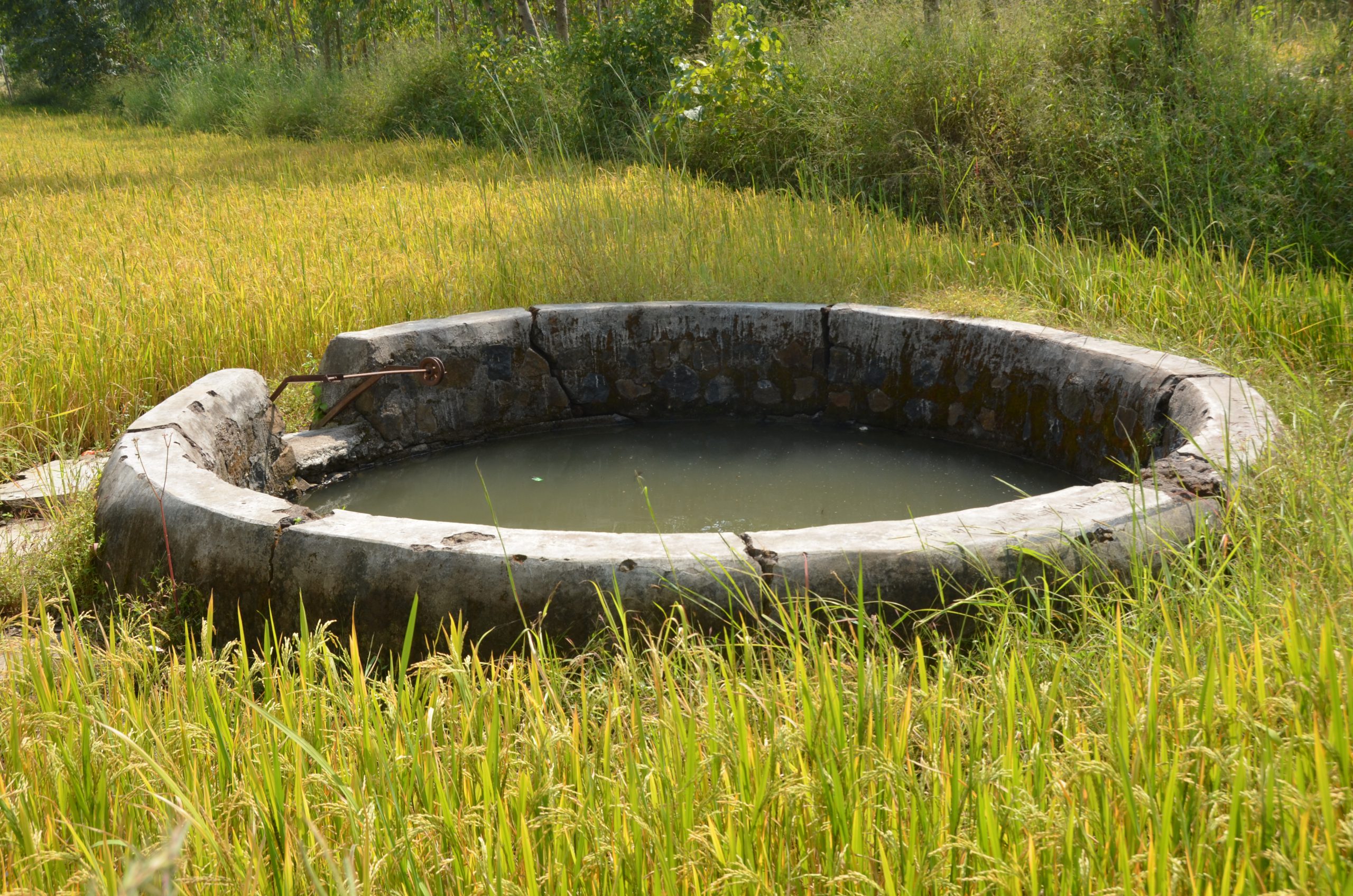
Rainwater harvesting is the practice of collecting and storing rainwater for various uses. This technique is an ancient and sustainable method of water conservation that has gained renewed importance in modern times due to increasing water scarcity and environmental concerns.
The process typically involves capturing rainwater from roofs or other surfaces and directing it into storage systems such as tanks, ponds, or reservoirs. The water is then filtered and used for a variety of purposes, including irrigation, household needs, or even drinking after appropriate treatment.
RAIN WATER HARVESTING SYSTEM CONSIST OF SEVERAL COMPONENTS:
- Catchment area: A surface, such as a roof or paved area, where rainwater is collected.
- Conveyance system: Gutters and downpipes that channel the water from the catchment area to storage.
- Storage system: Tanks or cisterns that store the collected water.
- Filtration: Systems that filter out debris, leaves, and contaminants to ensure the water is safe for use.
Comments
Post a Comment